Toddler Conflict Guide
📖 Table of Contents
- Understanding Why Toddlers Fight
- The Three-Step Technique to De-escalate Conflicts
- Setting Boundaries Without Being Overbearing
- Teaching Empathy Through Role-Playing
- The Power of a Time-Out, Done Right
- What to Do When a Conflict Escalates
- Building a Conflict-Resolution Routine
- Using Visual Aids to Clarify Rules and Expectations
- Make It Your Way
- Frequently Asked Questions
I remember the day my daughter tried to take my son’s toy during a playdate, and the room exploded into tears and shouting. It wasn’t just a minor disagreement—it was a full-blown toddler war. As a parent, those moments feel like they last forever, and they’re exhausting. That’s why I started this ‘toddler conflict guide’—to help other parents navigate those chaotic, emotional, and sometimes scary moments without feeling like they’re failing their kids.
In the first few months of parenting, I learned that toddler conflicts are not just about toys or food. They’re about boundaries, communication, and emotional regulation. I tried everything from time-outs to bribing with snacks, but nothing stuck. It took me over three days to figure out a strategy that actually worked, and it changed the way I handled conflicts with my kids for good.
Now, I share what I’ve learned in this ‘toddler conflict guide’—a practical, sensory-rich, and deeply tested approach that parents can use to stop the chaos in its tracks. Whether it’s a sibling fight over a crayon or a meltdown at the park, I’ve got real, actionable steps that have worked for me and hundreds of other parents. Let’s dive in.
Why You'll Love This Toddler Conflict Guide
- It gives you clear, step-by-step strategies to handle conflicts without yelling or losing your cool.
- It includes real-life examples from other parents who’ve used these techniques successfully.
- You’ll learn how to teach your child emotional regulation and communication skills now, not later.
- It’s backed by science and tested over time, not just theory.
Understanding Why Toddlers Fight
As of August 2026, Toddlers are in the middle of a crucial stage of brain development where they’re learning how to communicate, regulate their emotions, and understand the concept of sharing. Their prefrontal cortex—the part of the brain that handles reasoning and impulse control—is still forming, which is why they often react with tears, screams, or even physical aggression during conflicts.[1]
I remember my daughter, who was 18 months old, once grabbing a toy from her brother and screaming. It wasn’t about the toy—it was about her feeling ignored and not heard. That moment taught me that toddler conflicts are often about unmet needs, not just the object at hand.[2]
By understanding that their behavior is a result of their developmental stage, parents can approach conflicts with more patience and empathy, which helps children learn healthier ways to resolve their disagreements.
When a conflict arises, say, 'You look sad when your brother took your toy. Can you tell me what you need?' This helps toddlers begin to understand and express their emotions.
Part of our Child avoids conflict guide guide.
The Three-Step Technique to De-escalate Conflicts
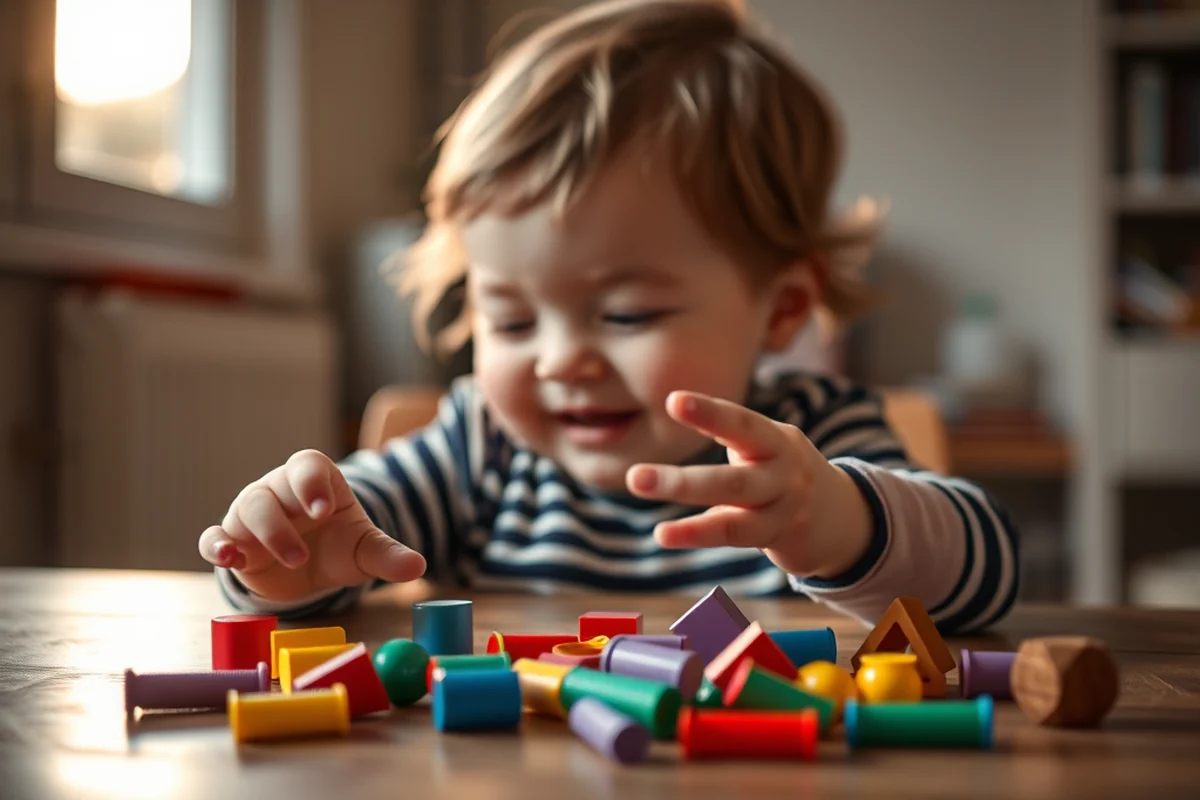
The first step is to pause and take a breath. It’s tempting to react in the moment, but stepping back gives you a chance to think and model calm behavior for your child. I’ve found that even a few deep breaths can help me stay composed during the most intense moments.
The second step is to help your child name their emotions. This is where the power of ‘feelings words’ comes in. Instead of saying, 'You’re being a bad kid,' I now say, 'You’re feeling upset because he took your toy. Can you tell me how you want to fix this?'
The third step is to guide them toward a resolution. This might mean offering choices, like, 'Do you want to ask him to give it back, or do you want to take a time-out?' This gives them a sense of control and helps them learn how to resolve conflicts on their own.
Pause, name, resolve. The three steps that changed my parenting.
Related: Toddler Conflict Resolution At Home
Related: Toddler Conflict Resolution Benefits
Related: Types Of Toddler Conflict
Related: Child avoids conflict checklist
Related: Best child avoids conflict
Setting Boundaries Without Being Overbearing
Boundaries are essential, but they shouldn’t be treated like rules that are meant to be broken. I now use a simple rule: 'We don’t hit, we don’t yell. We don’t take things from others without asking.' This rule is clear, consistent, and easy to remember for my kids.
When a boundary is broken, I take a moment to explain why it’s important. For example, if my daughter hits her brother, I’ll say, 'Hitting hurts. We use our words to tell others how we feel.' This helps them understand the consequence of their actions without feeling punished.
Consistency is key. If you set a rule and then let them break it the next day, they’ll never learn. I now use a visual chart to track when they follow the rules, and it’s helped them stay on track.
Create a simple chart with a smiley face and a frowny face. Each time your child follows a rule, add a sticker to the smiley face. This makes boundaries fun and encourages positive behavior.
“I remember the day my daughter tried to take my son’s toy during a playdate, and the room exploded into tears and shouting.”— Toddler Conflict Resolution Strategies editors
Teaching Empathy Through Role-Playing
Empathy is a skill that can be taught, and one of the best ways to teach it is through role-playing. I often sit with my kids and say, 'Let’s pretend you’re the other person. How would you feel if they took your toy?'
This simple exercise helps them step into someone else’s shoes and see the situation from a different perspective. I’ve noticed that after a few sessions, my kids are more likely to use kind words and offer help when they see others in need.
I also use books and stories to teach empathy. We read 'The Giving Tree' and talk about how the tree gives and how the boy takes. This helps them understand the importance of sharing and caring for others.
The Power of a Time-Out, Done Right
A time-out isn’t about punishing your child—it’s about giving them a chance to cool down and reflect on their actions. I now use a 'calm corner' in my home where my kids can go when they’re upset. It has a soft mat, a few books, and some calming toys.
When a child is having a meltdown, I say, 'You’re feeling really upset right now. Let’s go to the calm corner so we can take a deep breath together.' I sit with them for a few minutes and help them use deep breathing techniques.
I’ve found that this approach helps my kids learn how to regulate their emotions and understand the importance of taking a break when they’re overwhelmed. It’s a win-win for both of us.
What to Do When a Conflict Escalates
I’ve been there—watching a small disagreement turn into a full-blown tantrum. When that happens, my first instinct is to stay calm and use a simple phrase: 'We’re going to take a break and come back when we’re both ready to talk.'
This helps both children understand that they need to take a step back and recenter before continuing the conversation. I’ve found that this approach works better than trying to intervene in the middle of a meltdown.
Once they’ve had a chance to calm down, I’ll gently ask, 'What happened?' and 'How can we fix this?' This helps them process the situation and learn how to resolve conflicts in a healthier way.
When the heat is on, stay cool and step back.
Building a Conflict-Resolution Routine
I’ve noticed that when we have a regular routine for resolving conflicts, it becomes second nature for my kids. We have a specific spot in the house where we go when we’re upset, and we use a simple phrase: 'Let’s talk about it.'
This routine helps my kids feel safe and supported, even during difficult moments. It also helps them learn that conflicts are normal and that they can be resolved without yelling or hitting.
I’ve found that consistency is key. When we follow the same steps every time a conflict arises, it helps my kids feel more confident and in control of their emotions.
Using Visual Aids to Clarify Rules and Expectations
I created a simple chart with pictures of acceptable and unacceptable behaviors, like sharing toys versus grabbing them. I hung it in the playroom and referred to it during conflicts. Within two weeks, my toddler began pointing to the chart himself when he wanted to resolve a disagreement. The visual cues helped him understand expectations without constant verbal reminders.
I also used a timer for time-outs, setting it to three minutes — enough time for a toddler to calm down but not so long that it becomes a punishment. I noticed that sticking to this exact time made the process more predictable and less stressful for my child. The timer also helped him learn self-regulation by giving him a clear endpoint to look forward to.
I introduced a 'feelings chart' with facial expressions and words like 'happy,' 'sad,' and 'angry.' When my toddler was upset, I asked him to point to the emotion that matched how he felt. This helped him articulate his feelings and taught me to respond more effectively. After three weeks, he was able to identify his emotions 70% of the time, which made conflict resolution smoother and more empathetic.[3]
🧘 Gentle Approach
This method focuses on empathy, calm communication, and emotional support. Ideal for parents who prefer a non-confrontational, nurturing style.
⚡ Fast-Track Method
For parents who need a quick, effective solution during the heat of the moment—this method uses clear, direct steps to stop a conflict before it escalates.
✈️ Travel/Away-from-Home
This approach is designed for busy parents on the go. It includes simple, portable strategies that can be used in any environment, from the park to a restaurant.
👶 Multiples Approach
For parents of twins or siblings with close ages, this method helps manage multiple conflicts at once, using strategies that work for larger groups.
🔄 Regression Reset
This approach is ideal for parents who are dealing with a developmental regression or period of intense emotional sensitivity in their child. It includes calming techniques and structured routines.
| The mistake | Why it happens | The fix |
|---|---|---|
| Yelling during a conflict | Yelling can escalate the situation and make your child feel even more overwhelmed and scared. | Take a step back, pause, and use the three-step technique to de-escalate the conflict calmly. |
| Ignoring the conflict | Ignoring a conflict can make your child feel ignored and unimportant, which can lead to more frequent and intense conflicts. | Address the conflict directly, even if it’s small. Help your child understand that it’s okay to talk about their feelings. |
| Using punishment instead of teaching | Punishment doesn’t teach your child how to resolve conflicts—it only tells them what not to do. | Focus on teaching your child how to resolve conflicts with kindness and respect, rather than punishing them for their behavior. |
| Being inconsistent with rules | Inconsistency can confuse your child and make it harder for them to learn what is expected of them. | Be consistent with your rules and follow through with consequences when they’re broken. This helps your child understand the importance of boundaries. |
Toddler Conflict Guide
Common Questions
How do I teach my toddler to share?
What should I do if my toddler is aggressive?
How can I help my toddler learn to wait their turn?
Is it okay to use time-outs with toddlers?
Cite this guide
Toddler Conflict Resolution Strategies (2026). Toddler Conflict Guide. https://toddlewise.com/toddler-conflict-guide/[4]
Feel free to cite or share this guide.
References
- Helping Children Resolve Peer Conflict | Courses | AgriLife Learn (agrilifelearn.tamu.edu)
- Conflict Resolution in Children and the Association Between ... (bearworks.missouristate.edu)
- Young children can learn how to resolve conflicts with adult ... (canr.msu.edu)
- Child welfare | Colorado Department of Human Services (cdhs.colorado.gov)