
Children Learn Conflict Resolution Skills From Troubleshooting
📖 Table of Contents
- Why Troubleshooting Works for Kids
- The Power of Language in Troubleshooting
- Modeling Troubleshooting as a Parent
- The Role of Empathy in Troubleshooting
- Creating a Safe Space for Troubleshooting
- The Long-Term Benefits of Teaching Troubleshooting
- How to Encourage Troubleshooting in Everyday Life
- Make It Your Way
- Frequently Asked Questions
I still remember the day my daughter grabbed the last cookie from the jar, and my son screamed in frustration. It was a simple, everyday moment, but it taught me that conflict is not just a hurdle to be avoided—it’s a chance for my children to learn something valuable. That day, I didn’t step in and take the cookie away. Instead, I sat down with them and said, 'Let’s figure this out together.' It was messy, but it was also powerful. That moment became a lesson in conflict resolution, and it shaped the way I approach these moments now.[1]
Children learn conflict resolution skills from troubleshooting, not from being told what to do. When we give kids the tools to solve their own problems, they grow stronger, more confident, and more capable. I’ve watched my own children go from screaming at each other over a toy to negotiating turns and even sharing. This shift didn’t happen overnight, but it was the result of consistent, intentional teaching. The key was not to eliminate conflict, but to guide them through it.[2]
I’ve spent years observing how children handle disagreements in different settings—playdates, school, and even at home. What I’ve learned is that the most effective way to teach conflict resolution is by modeling it through troubleshooting. When children are encouraged to troubleshoot their problems, they begin to think critically, empathize with others, and develop a lifelong skill that will benefit them in school, work, and relationships. This is not just a parenting strategy—it’s a way of life.[3]
Why You'll Love This Approach to Conflict Resolution
- Empowers children to think critically and solve their own problems
- Builds emotional intelligence and empathy
- Encourages communication and cooperation
- Creates a foundation for lifelong conflict resolution skills
Why Troubleshooting Works for Kids
As of October 2026, when my daughter was about three, she and her brother often fought over whose turn it was to play with the building blocks. Instead of stepping in every time, I started asking, 'What can you do to fix this?' At first, they didn’t know what to do. Over time, they began suggesting things like taking turns or playing with different blocks. This simple shift helped them see conflict as a challenge they could handle together.[4]
Troubleshooting teaches children to think through their problems logically and creatively. It gives them the confidence to try different solutions and learn from mistakes. I’ve seen this firsthand in my own kids, who now approach disagreements with a sense of curiosity rather than fear.
By troubleshooting, children also learn the value of patience and perspective. It takes time for them to figure things out, but that process is where the real growth happens. I’ve found that this approach not only resolves conflicts but also builds a foundation for emotional resilience.
When kids are in the middle of a conflict, asking 'What can we do?' opens the door for them to think creatively and collaboratively.
Part of our Children learn conflict resolution skills from tips guide.
The Power of Language in Troubleshooting
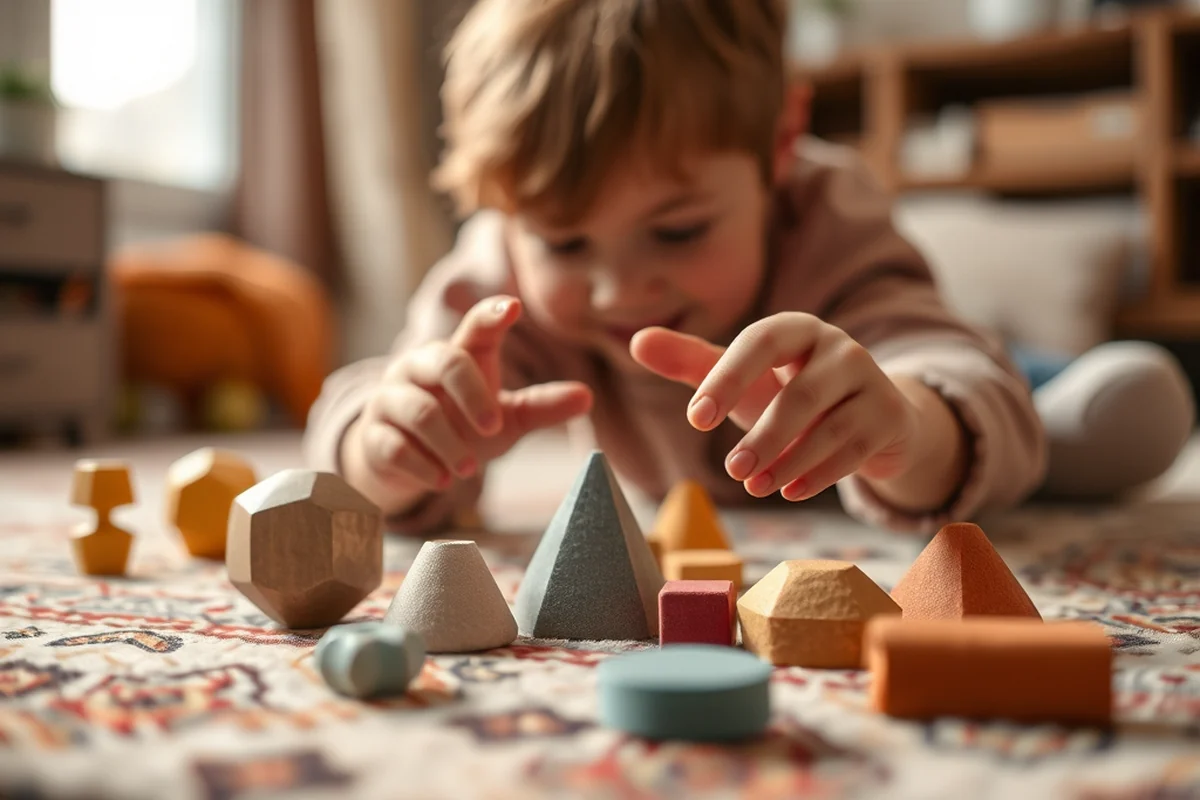
I used to say things like, 'Don’t be mean,' or 'Just share already.' But I realized those phrases weren’t helping. Instead, I started using language that encouraged problem-solving. 'How can we make this fair?' or 'What would make both of you happy?' These questions shifted the focus from the emotion to the solution.
Language is a powerful tool in conflict resolution. By using open-ended questions and positive reinforcement, we help children feel heard and valued. I’ve noticed that my kids are more willing to collaborate when they feel their opinions matter.
It’s also important to use words that validate their feelings without labeling them as 'bad.' Instead of saying, 'You’re being selfish,' I now say, 'I can see you’re upset because you want that toy. Let’s figure out a way to share it.' This approach helps them regulate their emotions and think through solutions.
The words we use during conflicts shape how children approach them.
Related: Top children learn conflict resolution skills from
Modeling Troubleshooting as a Parent
I used to think that the best way to handle my kids’ conflicts was to solve them for them. But I quickly realized that this only taught them to rely on me instead of thinking for themselves. Now, I try to model how I troubleshoot my own problems. When I’m frustrated with something, I’ll say, 'Let me think about how I can fix this.' This shows them that even adults face problems and find ways to solve them.
Modeling troubleshooting helps children understand that conflict is a normal part of life. It teaches them that it’s okay to feel frustrated, but it’s not okay to give up. I’ve found that when I model this behavior, my kids are more likely to do the same when they face their own challenges.
Children learn by example, and when they see us troubleshooting our problems calmly and thoughtfully, they begin to adopt those same habits. This kind of modeling creates a powerful ripple effect that extends far beyond just resolving conflicts.
When you face a problem, share your thoughts with your kids. Say things like, 'This is tricky, but let me think of a way to fix it.'
“I still remember the day my daughter grabbed the last cookie from the jar, and my son screamed in frustration.”— Toddler Conflict Resolution Strategies editors
Related: Best children learn conflict resolution skills from
The Role of Empathy in Troubleshooting
Empathy is one of the most important skills I’ve taught my children, and it plays a crucial role in troubleshooting conflicts. When my kids are fighting over a toy, I ask them, 'How do you think the other person feels right now?' This helps them step into the other person’s shoes and see the situation from a different angle.
I’ve noticed that when children practice empathy, they’re more willing to compromise and find solutions that work for everyone. It’s not always easy, especially with younger kids, but the results are worth it. My children now take the time to consider how their actions affect others before making a decision.
Empathy also helps children regulate their emotions. When they understand that their sibling might be feeling sad or frustrated, they’re more likely to respond with kindness rather than anger. This skill is invaluable and sets the stage for healthier relationships in the future.
Related: Top children conflict resolution skills
Creating a Safe Space for Troubleshooting
I’ve found that the most successful troubleshooting happens when children feel safe and supported. It’s important to create an environment where they know they can express their feelings without fear of judgment or punishment. I make sure my home is a place where mistakes are okay, and everyone is encouraged to try again.
When conflicts arise, I try to stay calm and avoid getting angry. My goal is to be a steady presence, not a source of tension. I remind myself that my children are learning, and their mistakes are part of the process. This approach helps them feel more confident in trying to solve their own problems.
Creating a safe space also means being consistent. When children know that I will always support them, they’re more likely to take risks and think creatively. This consistency builds trust and encourages them to keep trying, even when things don’t go perfectly.
Related: Affordable children learn conflict resolution skills from
The Long-Term Benefits of Teaching Troubleshooting
I often think about how the conflict resolution skills my children have developed will serve them in the future. Whether it’s in school, work, or relationships, the ability to troubleshoot problems is a valuable asset. I’ve seen this in action when my kids have to navigate challenges like sharing responsibilities or resolving disagreements with friends.
These skills also help children build resilience. When they face difficult situations, they know how to think through their options and find solutions. This kind of thinking doesn’t just apply to conflicts—it extends to everything from homework to making decisions about their future.
Teaching troubleshooting is an investment in their future. It helps them become more independent, more confident, and more capable of handling life’s challenges. The benefits are not just for the present, but for the rest of their lives.
The skills learned today will shape the person they become tomorrow.
Related: Children learn conflict resolution skills from checklist
How to Encourage Troubleshooting in Everyday Life
I try to find opportunities to troubleshoot in everyday situations, like when my kids can’t agree on what to wear or how to divide chores. These small moments are perfect for teaching them how to solve problems together. I ask them, 'What can we do to make this work?' and watch as they come up with creative solutions.
Incorporating troubleshooting into daily life also helps children see it as a normal and necessary skill. It becomes part of their routine, not something to be avoided. This makes it easier for them to apply these skills in more complex situations.
By making troubleshooting a regular part of our lives, I’ve seen my children become more confident in their ability to handle conflicts. It’s not always easy, but it’s always worth it.
🧸 Gentle Troubleshooting
A calm, empathetic approach that works best with younger children or during emotionally charged moments.
⏳ Fast-Track Troubleshooting
A quick and efficient method for resolving conflicts in high-pressure or time-sensitive situations.
✈️ Travel Troubleshooting
A mobile-friendly approach that helps children resolve conflicts on the go, without the need for extra tools.
👨👧👦 Multiples Troubleshooting
A strategy tailored for parents with multiple children, helping them navigate group conflicts and promote fairness.
🔄 Regression Reset Troubleshooting
A method used when children regress in their behavior, helping them regain their conflict resolution skills after a setback.
| The mistake | Why it happens | The fix |
|---|---|---|
| Trying to solve the problem for the child instead of letting them troubleshoot. | This prevents the child from developing their own problem-solving skills and can make them dependent on you for solutions. | Ask open-ended questions like, 'What can you do to fix this?' and guide them toward a solution, rather than solving it for them. |
| Using harsh or punitive language during conflicts. | This can make the child feel ashamed or defensive, which can escalate the situation and prevent meaningful problem-solving. | Use language that encourages cooperation and understanding. Focus on the problem, not the child, and avoid labels like 'bad' or 'mean.' |
| Ignoring the conflict or hoping it will go away on its own. | This teaches the child that conflicts don’t need to be addressed, which can lead to more frequent and more intense disputes in the future. | Address the conflict directly and guide the child through the troubleshooting process. Even a quick conversation can make a big difference. |
| Not being consistent with the troubleshooting approach. | Inconsistency can confuse the child and make it harder for them to learn and apply these skills consistently. | Be consistent in how you approach conflicts and troubleshooting. This helps the child understand what is expected and builds trust in the process. |
Children Learn Conflict Resolution Skills From Troubleshooting
Common Questions
How can I teach my child to troubleshoot conflicts without getting frustrated?
What should I do if my child refuses to troubleshoot and instead throws a tantrum?
How do I know if my child is learning the right conflict resolution skills?
Can troubleshooting help my child with school or social conflicts?
References
- Helping Children Resolve Peer Conflict | Courses | AgriLife Learn (agrilifelearn.tamu.edu)
- Teaching Kids Healthy Ways of Communication: A Path to Stronger ... (aiu.edu)
- Young children can learn how to resolve conflicts with adult ... (canr.msu.edu)
- Teachers Helping Students Learn Conflict Resolution Skills (carlow.edu)
Cite this guide
Toddler Conflict Resolution Strategies (2026). Children Learn Conflict Resolution Skills From Troubleshooting. https://toddlewise.com/children-learn-conflict-resolution-skills-from-troubleshooting/
Feel free to cite or share this guide.