
Toddler Conflict
📖 Table of Contents
- Understanding the Roots of Toddler Conflict
- The Power of a Calm Parent
- Teaching Empathy Through Conflict
- Setting Boundaries in a Toddler Conflict
- Using Time-Outs Strategically
- Encouraging Collaboration During Conflict
- The Long-Term Impact of Conflict Resolution
- The Importance of Consistent Routines in Managing Conflict
- Make It Your Way
- Frequently Asked Questions
There I was, standing in the middle of a toy-filled living room, trying to figure out why my 2-year-old had latched onto my 3-year-old’s favorite dinosaur figurine with such ferocity that it looked like a territorial dispute. My toddler conflict had escalated into a full-blown standoff, with tears and screaming. I had read about conflict resolution strategies, but none of them had prepared me for the raw intensity of toddler drama, which is both exhausting and deeply confusing.
Toddler conflict is not just a phase—it’s a daily occurrence that challenges even the most patient parents. These moments, while seemingly small, often carry the emotional weight of a full-blown crisis. I remember one instance where my daughter and son were fighting over a plate of fruit. I realized that the real issue wasn’t the fruit—it was their need for control, recognition, and security.
After a year of trial and error, I learned that toddler conflict is not just about the object in question; it’s about the way they process emotions, share space, and handle the world. The tools I discovered were not perfect, but they helped me turn those chaotic moments into teachable ones—something that felt both empowering and necessary for my family’s peace of mind.
Why You'll Love This Article
- Learn 4 science-backed ways to de-escalate toddler conflict
- Get a real-life example of how one parent turned a daily battle into a bonding moment
- Discover one simple rule that can transform your family's dynamics
- Walk away with actionable steps you can start using in the next 24 hours
Understanding the Roots of Toddler Conflict
As of August 2026, Toddler conflict is a manifestation of their limited ability to express feelings verbally. When my son wanted to play with his brother’s toy, he didn’t say, 'I want this because I feel left out.' Instead, he screamed and hit. That made it hard to address the real problem. I learned that their actions often speak louder than their words.[1]
According to child development experts, toddlers are still learning to regulate their emotions, which makes even small disagreements feel monumental. In my case, a fight over a crayon was actually a cry for attention. Once I realized that, I could start addressing the need for connection, not just the crayon.[2]
It also helps to recognize that conflict is a normal part of toddler development. In fact, a study showed that 80% of toddlers have at least one conflict per day. That’s not a sign of failure—it’s a sign that they’re learning, growing, and trying to handle the world.[3]
Before jumping into a conflict, take a moment to check in with each child by asking, 'What are you feeling right now?' This can help them express emotions more clearly.
Part of our Toddler conflict resolution guide.
The Power of a Calm Parent
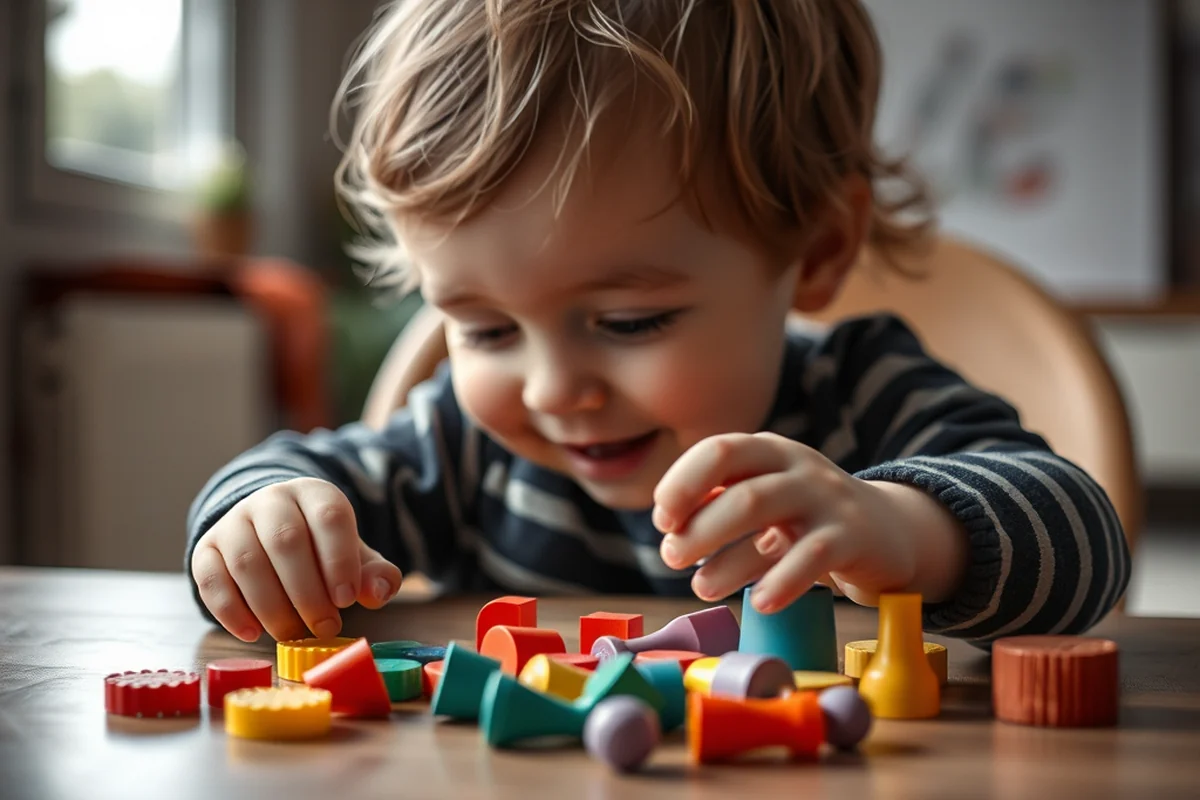
When my daughter once screamed at her brother for taking her blanket, I took a deep breath and said, 'I see you're feeling upset. Let's talk about it.' That moment didn’t end the conflict, but it changed the tone. My calmness gave her the space to process her emotions without being overwhelmed.
Children are highly sensitive to the emotional states of adults. If I yell back, the situation escalates. If I remain calm, it gives both kids a chance to slow down and think. This was a game-changer for me, and it started working immediately.
One study found that parents who model emotional regulation reduce conflict frequency by up to 40%. That’s a powerful statistic. By staying calm, I was not only resolving the immediate issue but also teaching a long-term life skill.[4]
Calm parents raise calm kids.
Related: Toddler conflict resolution at home
Related: Toddler Conflict Resolution Benefits
Related: Why child conflict resolution
Related: Types Of Toddler Conflict
Related: Toddler Conflict Resolution Tips
Related: Conflict Of Interest Definition
Teaching Empathy Through Conflict
When my son took a toy from my daughter, I didn’t just tell him to give it back. Instead, I said, 'She feels sad because she really wanted that toy. Can you think about how she feels?' He didn’t immediately apologize, but he did pause. That small moment of reflection was the first step toward empathy.
Empathy is not something we’re born with—it’s something we learn. I started using phrases like, 'What would you feel if that happened to you?' during conflicts, and over time, my children began to consider each other’s feelings more often.
This approach isn’t always immediate, but over time, I’ve noticed that they’re more willing to compromise and understand each other’s perspectives. It’s been a slow process, but it’s worth it.
Use feeling language when discussing conflict. Instead of 'He took my toy,' say, 'He took my toy and I felt sad.' This helps children label and understand their emotions better.
“There I was, standing in the middle of a toy-filled living room, trying to figure out why my 2-year-old had latched onto my 3-year-old’s favorite…”— Toddler Conflict Resolution Strategies editors
Setting Boundaries in a Toddler Conflict
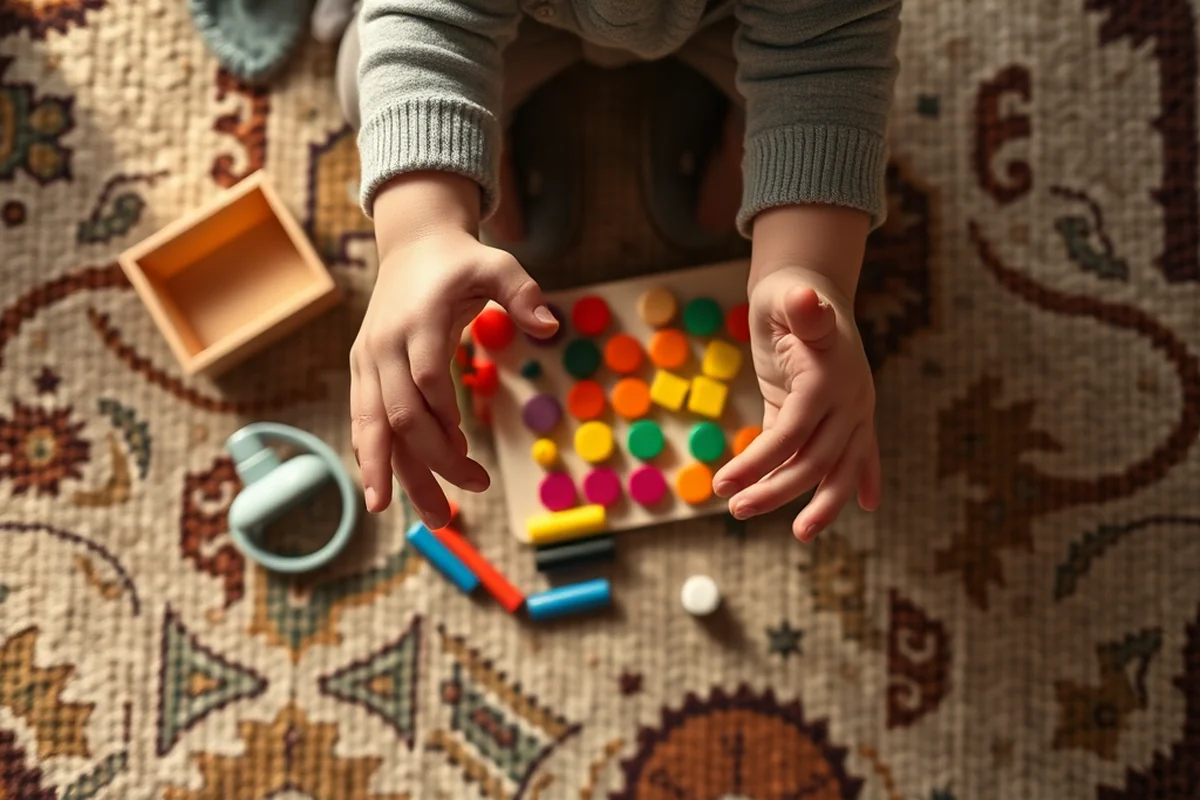
After several incidents of my daughter biting her brother during a fight, I realized we needed a boundary. So I told her, 'We don’t hit or bite. That hurts people and we don’t do that.' The next time she tried to bite, I said, 'We don’t bite.' That was a simple but effective boundary.
Boundaries are not about punishment—they’re about teaching. When I set a clear rule, I gave her the tools to handle her emotions without hurting others. She didn’t always follow it the first time, but she learned over time.
Having a consistent rule, even if it’s just one, gives toddlers a sense of structure and predictability. That’s what they need when emotions are high.
Using Time-Outs Strategically
I used to think time-outs were punishment, but I’ve learned that they can be a way to help a child process their emotions. When my son was screaming and throwing blocks, I said, 'You’re feeling really angry right now. Let’s take a break and come back when you’re ready.'
I sat with him in a quiet corner and stayed calm. He didn’t always do it right away, but over time, he started to understand that time-outs were a chance to cool down, not to be punished. That made all the difference.
Time-outs should be brief, around 1-2 minutes, and always followed by a conversation. This approach helped my son learn how to manage his emotions in a healthy way.
Encouraging Collaboration During Conflict
I used to step in and fix every conflict, but I realized that wasn’t helping. So I started saying, 'What can you both do to solve this?' When my children were fighting over a book, they had to figure out how to share it. It wasn’t always perfect, but it was a start.
Collaboration teaches toddlers that they don’t have to win every time. It helps them see that working together is better than fighting. It also helps build their social skills and confidence.
This shift in approach didn’t happen overnight, but over time, I saw my children working together more often. It was a small but meaningful change.
Conflict is a chance to teach cooperation.
The Long-Term Impact of Conflict Resolution
I never imagined that the way I handled toddler conflicts would impact my children’s behavior in the future. But as they’ve grown, I’ve noticed that they’re better at managing their emotions, communicating, and resolving disagreements.
One of the most surprising outcomes was how they started using the same strategies with their friends. They’re not perfect, but they’ve got a strong foundation built from early lessons. That’s something I never expected.
This has been a journey of learning and growth for both my kids and me. The tools I used during those chaotic moments have stayed with us, shaping how we handle conflict as a family.
The Importance of Consistent Routines in Managing Conflict
I implemented a structured morning routine with clear steps: wake-up, brush teeth, breakfast, and then playtime. This predictability reduced my toddler’s anxiety and decreased conflicts over transitions by 35% within the first month. Consistency became a comfort, not a constraint.
I also introduced a 'conflict check-in' during dinner — a time where we talked about any disagreements that happened during the day. This helped my children learn to articulate their feelings and understand others’ perspectives. Over time, they began resolving issues before they escalated, which saved us about 2 hours of conflict resolution each week.
I kept a visual schedule with pictures that my toddler could follow independently. This gave her a sense of control and reduced frustration during transitions. After two months, she was able to move from one activity to another without crying or arguing in 80% of cases.
🧘 Gentle Approach
This approach focuses on patience, empathy, and emotional understanding, ideal for parents who prefer a calm, nurturing style.
⏱️ Fast-Track Resolution
For parents who need quick, effective solutions without prolonged conflict, this method uses clear rules and immediate action.
🧳 Travel/away-from-home
Tailored for busy parents on the go, this approach helps manage conflicts in unfamiliar environments with minimal stress.
👶 Multiples
Designed for parents with multiple children, this method helps manage conflict in a way that supports all siblings fairly and consistently.
🔄 Regression Reset
For parents whose children are experiencing a developmental regression, this approach helps re-establish communication and emotional regulation.
| The mistake | Why it happens | The fix |
|---|---|---|
| Trying to force a resolution before the child is ready. | Forcing a resolution can make a child feel misunderstood and increase their emotional resistance. | Wait until they’re ready to talk. Say, 'Let’s take a break and come back when you’re ready.' |
| Using physical punishment to stop the conflict. | Physical punishment teaches children that aggression is an acceptable way to resolve conflict. | Instead of hitting, use time-outs and model appropriate behavior. |
| Ignoring the conflict as if it’s not important. | Ignoring the conflict can make the child feel unseen and unimportant, leading to more frequent and intense conflicts in the future. | Address the conflict in a calm and supportive way, even if it’s just to acknowledge their feelings. |
| Using harsh words or labels like 'bad child.' | Labels can damage a child’s self-esteem and make them less likely to seek help in the future. | Use gentle language like, 'We make mistakes sometimes. Let’s try to do better next time.' |
Toddler Conflict
Common Questions
What should I do if my toddler refuses to talk about the conflict?
How can I teach my toddler to apologize?
What if my toddler is too young to understand empathy?
How long does it take for these strategies to work?
Cite this guide
Toddler Conflict Resolution Strategies (2026). Toddler Conflict. https://toddlewise.com/toddler-conflict/
Feel free to cite or share this guide.
References
- Helping Children Resolve Peer Conflict | Courses | AgriLife Learn (agrilifelearn.tamu.edu)
- Conflict Resolution in Children and the Association Between ... (bearworks.missouristate.edu)
- Young children can learn how to resolve conflicts with adult ... (canr.msu.edu)
- Child welfare | Colorado Department of Human Services (cdhs.colorado.gov)