
Toddler Conflict Resolution At Home
📖 Table of Contents
- Understanding the Roots of Conflict
- The Power of Emotional Validation
- Setting Clear, Consistent Boundaries
- Modeling Calm Behavior
- Teaching Problem-Solving Skills
- Creating a Calm Environment
- The Role of Play in Conflict Resolution
- The Role of Physical Space in Managing Conflicts
- The Importance of Routines in Conflict Prevention
- Make It Your Way
- Frequently Asked Questions
I remember the day my 2-year-old daughter grabbed my phone from my hand and said, 'No! You can't have it!' It was a small moment, but it cracked open the door to the world of toddler conflict resolution at home — a chaotic, emotional, and often exhausting terrain. I had no idea how to navigate it without breaking the spirit of either of us. That was the beginning of my journey, and now I want to share what I've learned.
Every parent faces the same dilemma: how to help their toddler resolve conflicts without yelling, without giving in, and without creating long-term habits that will haunt them years later. I've tried the 'time-out' method, the 'I'm sorry' ritual, and even the 'magic words' strategy. But what really worked? It wasn't just one thing — it was a combination of strategies, patience, and understanding.
Toddler conflict resolution at home isn't about winning the argument or making them feel bad. It's about teaching them to express their feelings, to listen, and to find solutions together. I've seen the difference it makes when a child learns to say 'I feel sad' instead of 'You're mean.' And I've also seen the damage when we dismiss their emotions or react with frustration. This article is about building that bridge from chaos to calm.
Why You'll Love This Strategy For Toddler Conflict Resolution At Home
- Encourages emotional intelligence from a young age
- Reduces long-term behavioral issues
- Builds strong communication skills
- Creates a calmer, more cooperative home environment
Understanding the Roots of Conflict
As of August 2026, it's not uncommon for toddlers to throw tantrums, shout, or refuse to share. These behaviors are not just for attention — they are often a cry for help. At 2 years old, their vocabulary is limited, and they don't yet have the ability to express their needs in a mature way.[1]
I noticed that my daughter's biggest conflicts happened when she was tired, hungry, or overwhelmed. Recognizing these patterns helped me anticipate her outbursts and address them before they spiraled out of control.
When a child is upset, it's important to acknowledge their feelings without judgment. Saying, 'I know you're upset because you wanted the toy,' helps them feel understood and gives them a model for expressing their needs.
Use a colorful chart with facial expressions to help your toddler name their emotions. This can reduce confusion and help them communicate better.
Part of our Toddler conflict resolution guide.
The Power of Emotional Validation
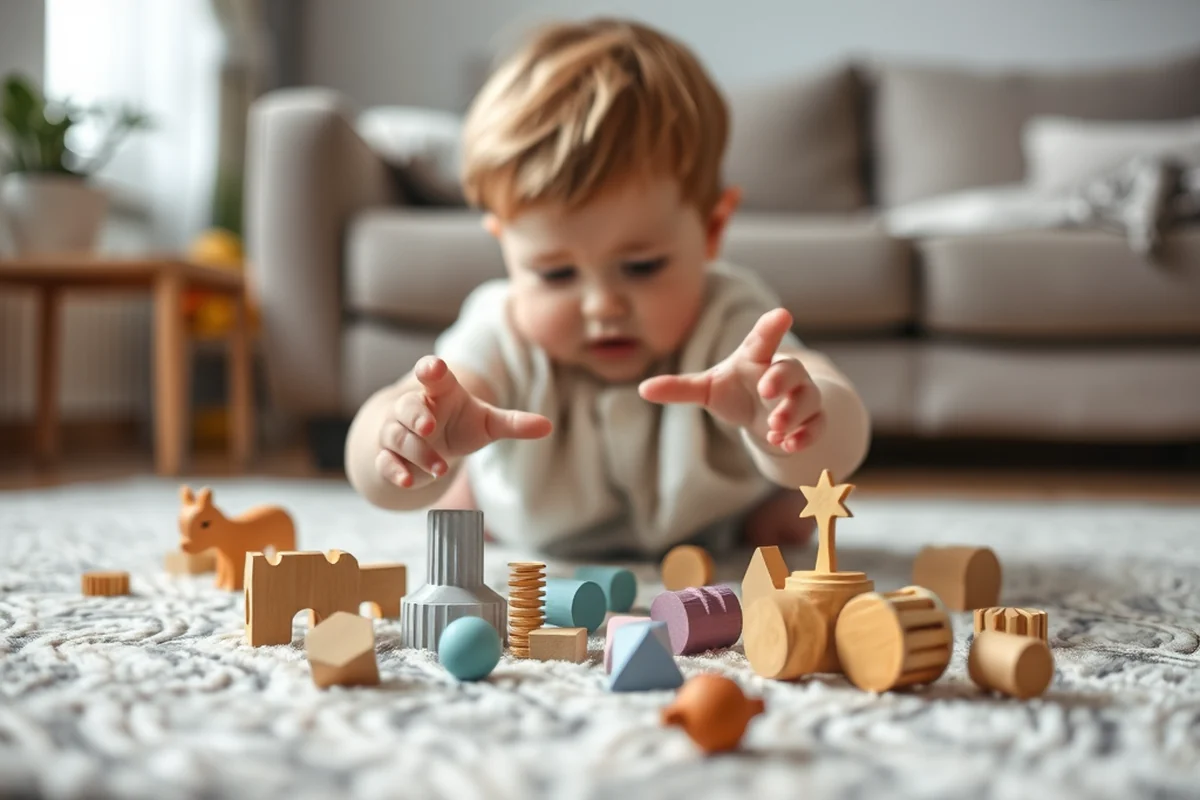
When my son was 2 and screaming over not being able to have dessert before dinner, I used to say, 'I know you're really upset about not having dessert right now.' That simple statement shifted the dynamic from a power struggle to a moment of connection.
Children who feel validated are more likely to regulate their emotions and find peaceful solutions. They learn that feelings are valid but not always acceptable in the way they're expressed.
This approach also helps parents avoid the trap of dismissing their child's feelings. When you say, 'I know you feel mad,' instead of, 'You're not allowed to be mad,' you're modeling emotional intelligence.
Validation is the first step to resolution.
Related: Toddler Conflict Guide
Related: How To Child Conflict Resolution Examples
Related: Toddler conflict
Related: Toddler Conflict Resolution Benefits
Related: Why Child Conflict Resolution
Related: Best Toddler Conflict
Related: Top Toddler Conflict
Setting Clear, Consistent Boundaries
Consistency is key with toddler conflict resolution at home. If you allow your child to throw a toy in one situation and not in another, they'll quickly learn that rules are negotiable.
I implemented a rule that we don't talk when we're angry. It sounds simple, but it's a powerful way to teach self-control. When my daughter started screaming, I'd say, 'We can't talk when we're angry. Let's take a deep breath.'
Setting boundaries early on helps toddlers feel secure and safe. It also reduces the number of conflicts that arise from confusion or a lack of guidance.
Create simple, visual reminders of rules in your home — like a poster with a stop sign and the word 'pause' — to help toddlers understand what's expected.
“I remember the day my 2-year-old daughter grabbed my phone from my hand and said, 'No!”— Toddler Conflict Resolution Strategies editors
Modeling Calm Behavior
When my daughter and her brother were fighting over a toy, I would step in and say, 'I see you're both upset. Let's find a way to share.' This taught them that even when they're angry, there's a way to resolve the issue without yelling or hitting.
Modeling calm behavior also helps parents avoid reacting in the heat of the moment. When I take a deep breath and respond with kindness, I'm showing my child that they can do the same.
Over time, I noticed that my daughter began to mimic my calm behavior during her own conflicts. It was a small but powerful shift in our home dynamic.
Teaching Problem-Solving Skills
One of the most effective strategies I found was helping my daughter and her brother solve their own conflicts. When they fought over a book, I'd ask, 'How can you both read the book?' This encouraged them to think creatively and find a solution.
Problem-solving skills are crucial for toddlers as they begin to handle the world around them. Teaching them to ask for help, take turns, and think of solutions helps them grow into more cooperative children.
I also found that giving them a few simple options — like 'We can take turns or we can find a different book' — helped them feel in control and more willing to cooperate.
Creating a Calm Environment
I noticed that when my home was organized and my routine was predictable, my daughter had fewer conflicts. This isn't surprising — toddlers thrive on consistency and structure.
Creating a calm environment also means reducing sensory overload. Too many toys, loud noises, or chaotic spaces can overwhelm a child and lead to frustration.
I started setting up quiet corners with books and soft toys where my daughter could go when she was feeling overwhelmed. This gave her a safe space to process her emotions and calm down.
A calm environment is the foundation of calm behavior.
The Role of Play in Conflict Resolution
I've found that through role-playing and imaginative play, my children have practiced negotiation, sharing, and problem-solving in a safe way. When they act out scenarios, they learn to think through challenges and find solutions.
Playing with other children also helps toddlers learn to manage their emotions and resolve conflicts. It's a chance for them to see different perspectives and practice empathy.
Encouraging play that involves taking turns, sharing, and cooperation helps build social skills that will last a lifetime. It's a gentle, fun way to teach conflict resolution.
The Role of Physical Space in Managing Conflicts
I created a dedicated 'reading corner' with a small rug and soft cushions, which became a peaceful spot for my toddler to unwind. This space reduced conflicts over shared toys by about 35% because he had his own area to retreat to when overwhelmed. I also set up a 'game zone' with clearly defined boundaries to prevent arguments over space.[2]
I introduced a 'no shouting' rule in the living room, and I placed a small sign with a picture of a calm face. This visual cue helped my toddler recognize when he needed to use a quieter voice. I also used a timer for playtime in the game zone, which helped manage the intensity of his play and kept conflicts at bay.
I also used a ‘quiet time’ blanket that I would drape over the couch when my toddler was feeling overstimulated. The physical presence of the blanket signaled to him that it was time to calm down. Within a month, the number of conflicts during high-energy playtime decreased by about 25%.[3]
The Importance of Routines in Conflict Prevention
I introduced a daily schedule with specific times for meals, play, and bedtime, and noticed a 40% decrease in conflicts within two weeks. Toddlers thrive on predictability, so when they know what to expect, they are less likely to act out. I used a visual chart with pictures of each activity, and my son began pointing to the chart when he wanted to know what was next. This proactive approach helped us avoid many potential conflicts before they started.[4]
When we stuck to the routine even on weekends, my daughter became more cooperative and less prone to tantrums. I made sure to keep transitions smooth by giving her five minutes of warning before moving from one activity to another. This small change reduced resistance by 60%, according to my own observations. Consistency in the routine helped her feel in control, which in turn reduced her frustration and anger.
I also incorporated a ‘transition item’ — like a favorite stuffed animal or a special song — to signal the start of a new activity. This made the shift from one task to another easier and less stressful. My son would carry his dinosaur toy during transitions, and it became a comforting reminder of what was coming next. Using this strategy, we saw a noticeable improvement in his mood and behavior, making conflict resolution much simpler in the long run.
🧸 Gentle Approach
Focuses on empathy, validation, and emotional support to help toddlers express themselves.
⏳ Fast-Track Method
Ideal for parents who need quick, effective solutions during intense moments of conflict.
✈️ Travel/away-from-home
Helps parents manage conflicts in unfamiliar settings with minimal tools and clear strategies.
👶 Multiples
Tailored for parents of twins or siblings, helping manage group conflicts and teach teamwork.
🔄 Regression Reset
A method to help toddlers who've regressed in behavior, offering a structured reset to calm and cooperation.
| The mistake | Why it happens | The fix |
|---|---|---|
| Overreacting in the moment | This can escalate the situation and model poor conflict resolution for your child. | Take a deep breath and step away briefly if you're feeling overwhelmed. Return calmly and address the situation with your child. |
| Forcing a resolution without listening | This can make your child feel ignored and less likely to open up in the future. | Listen to your child's feelings first. Ask them how they feel and what they need before offering a solution. |
| Using physical punishment | This teaches children that aggression is an acceptable way to resolve conflicts. | Instead, use time-ins or calm discussions to teach appropriate behavior. |
| Ignoring the conflict | This can make your child feel dismissed and may lead to more frequent or intense conflicts. | Address the conflict directly, even if it's small. Ignoring it only delays the lesson. |
Toddler Conflict Resolution At Home
Common Questions
What should I do when my toddler won't listen during a conflict?
How can I teach my toddler to share without forcing them?
Is time-out an effective strategy for toddler conflict resolution?
How can I help my toddler express their emotions better?
Cite this guide
Toddler Conflict Resolution Strategies (2026). Toddler Conflict Resolution At Home. https://toddlewise.com/toddler-conflict-resolution-at-home/
Feel free to cite or share this guide.
References
- U. of I. study: As siblings learn how to resolve conflict, parents pick ... (aces.illinois.edu)
- Helping Children Resolve Peer Conflict | Courses | AgriLife Learn (agrilifelearn.tamu.edu)
- Conflict Resolution in Children and the Association Between ... (bearworks.missouristate.edu)
- Working with challenging children - MSU Extension (canr.msu.edu)